



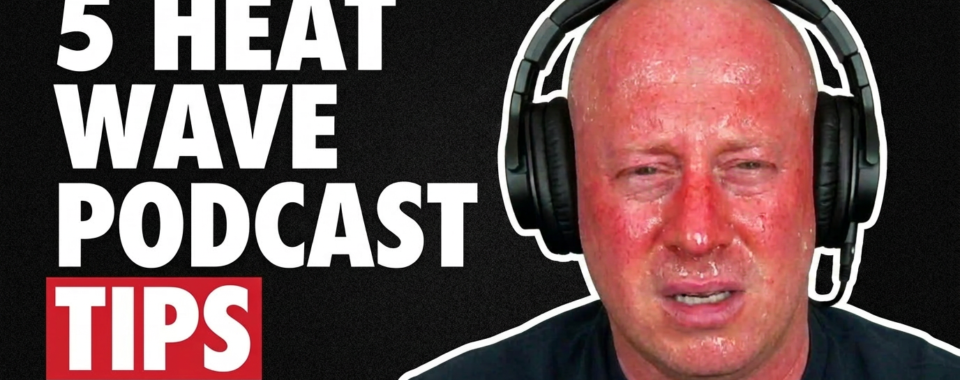
How to Podcast in a Heat Wave: 5 Essential Tips
Recording a podcast during a heatwave might seem challenging, but with the right strategies, you can keep your audio quality high—even under the hottest conditions. If you’re wondering how to preserve sound quality and stay comfortable during extreme temperatures, this guide will walk you through practical tips to help you record effectively, no matter how scorching it gets.
In this post, you’ll discover actionable advice on managing background noise, choosing the right equipment, and timing your recordings for optimal results. Whether you’re a beginner or a seasoned podcaster, these tips will ensure your recordings sound professional—even when the weather isn’t.
1. Minimize Background Noise by Managing Air Conditioning and Fans
One of the most obvious yet often overlooked issues in hot weather is the noise generated by AC units and fans. These appliances can create loud, disruptive sounds that ruin your audio quality.
How to handle it: Turn off nearby air conditioning vents and fans while recording. Even a slight breeze from a vent can be audible and distracting.
2. Use AI-powered tools if turning off cooling systems isn’t possible.
Programs like Riverside’s Magic Audio Tool, Descript’s Studio Sound, Adobe Enhance, or Auphonic can automatically reduce background noise after recording. Turning off your AC or fan during the actual session is ideal, but if that causes discomfort or health issues, AI noise reduction tools are a solid backup.”
3. Choose the Right Microphone: Dynamic Over Condenser
Your microphone choice makes a significant difference, especially in less-than-ideal acoustic environments. condenser microphones tend to pick up all ambient noise, which is problematic when background sounds are unavoidable. Use a dynamic microphone, anything from the affordable Samson Q2U ($70) to the high-end Shure SM7B ($400). Dynamic mics are designed to pick up sound from close proximity and reject background noise better than condensers. Find the right mic for you with our guide here.
4. Record During Cool Hours—Early Mornings or Late Evenings
Timing your recording sessions can significantly influence audio quality and your comfort. Schedule recordings early in the morning or late at night when temperatures are lower.
Record during cooler hours to avoid overheating and sweating, making the process more comfortable and reducing chances of unintentional noise from movement or discomfort.
For example, during a heatwave, I walk my dog at 6 AM and 9 PM—these are also great times to record quietly and comfortably.
5. Stay Hydrated with Room Temperature Water
Staying hydrated is crucial when recording in hot conditions, but what you drink matters.
What to avoid:
Soda or carbonated drinks, which can create unwanted gas bubbles.
Dairy products, as they can cause phlegm and vocal fatigue.
Best practice:
Drink room temperature water to keep your vocal cords hydrated without causing muscle contraction or discomfort.
Why it helps:
“Cold water may seem refreshing but can cause your vocal cords to tense up, leading to tripping over words or needing to clear your throat.”
Bonus Tip: Prioritize Safety and Develop a Backup Plan
Finally, always consider your health and well-being when recording in extreme heat. If conditions are so hot that they cause health risks, it’s better to postpone rather than push through and compromise your health or audio quality. Use your schedule and equipment to optimize your recording environment, but never sacrifice safety. Nobody’s podcast is worth risking your health. If it’s too hot or uncomfortable, take the alternative to record later or in a better environment.
Wrap-Up:
Recording in extreme heat presents unique challenges, but with these tips—controlling background noise, choosing the right microphone, timing your sessions, hydrating properly, and prioritizing health—you can produce quality audio regardless of the thermometer. Remember, your podcast doesn’t have to suffer during a heatwave. It’s all about being smart with your setup and timing.
Ready to improve your podcast sound? Whether you’re starting fresh or refining your process, expert help is just a click away.
Reach out or book a call with me here.