



How Jeff Kurkjian Grew a Baseball Podcast Into a Loyal Audience
If you’ve ever wondered how to grow a podcast without chasing empty viral moments, Jeff Kurkjian’s approach offers a clear answer: build something people actually want to come back to.
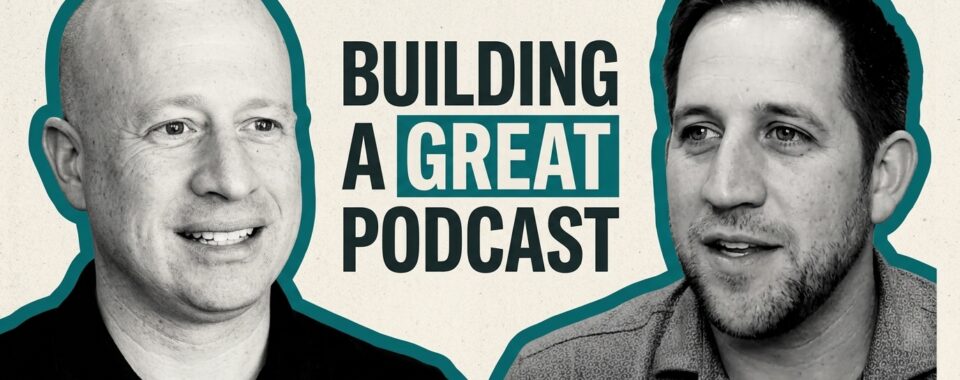
OnIs This a Great Game or What, Jeff and his dad, Hall of Fame baseball writer Tim Kurkjian, turned a baseball show into something more personal—and more durable.In this conversation, Jeff breaks down how the show evolved from a once-a-week experiment into a three-episode-a-week format, why video and short-form clips became essential, and why audience quality matters more than raw download numbers. Just as important, he explains how the show’s real strength is not just baseball—it’s the relationship at the center of it.
The Real Secret Behind a Successful Baseball Podcast
A lot of people start a podcast by asking, “What topic should I cover?” That’s the wrong first question. Jeff’s show works because it starts with a stronger idea:
The podcast is about a father and son who happen to talk about baseball.
That distinction matters. There are thousands of baseball podcasts out there, and many of them can offer stats, opinions, and analysis. Jeff and Tim offer something else—perspective, personality, and a relationship listeners can feel.That’s why the show resonates beyond the sport itself. Listeners aren’t just tuning in for baseball updates. They’re coming back because the conversation feels real. The jokes, the family stories, the side conversations about kids and grandkids—that’s what gives the show its identity.And that identity gives the podcast a clear answer to one of the hardest questions in content creation:
Why should someone choose you instead of the next podcast in the same niche?
Jeff put it simply: they are not a baseball podcast. They are a father-son podcast who talk about baseball.That framing gives the show room to breathe. It lets the audience connect with the hosts as people, not just voices delivering information. It also creates loyalty, which matters more than a one-time spike in attention.
Why They Changed From One Episode a Week to Three
At first, Jeff and his dad followed a pretty common podcast model: one big weekly episode covering the baseball week in review. It sounded reasonable. It was comprehensive. It was also too much of a one-and-done format for a fast-moving sport.Baseball changes daily. So does the podcast landscape.Jeff realized that if they wanted the show to grow, they needed more entry points. More episodes meant more chances for listeners to discover them, more chances to stay current, and more ways to connect with the audience throughout the week.That led to a simple but important shift:
-
Monday
— a content-heavy episode with league-wide discussion and recurring bits
-
Tuesday
— an interview episode
-
Thursday
— another content-heavy episode to keep up with the baseball conversation
This kind of structure does two things well. First, it gives listeners consistency. When people know what kind of episode they’re getting on each day, it’s easier to build a habit.Second, it helps the show stay relevant. Baseball fans don’t want a podcast that feels stale by the time they press play. They want a show that feels connected to what’s happening right now. That’s a lesson other podcasters can borrow. If your topic moves quickly, one weekly episode may not be enough. More frequent episodes don’t just create more content—they create more opportunities for discovery and more reasons for someone to return.Jeff also made a smart point about content quality: the show isn’t trying to cover everything. It’s trying to stay focused on the right things and give each episode a clear role.
Why Video and Reels Became the Discovery Engine
Jeff was blunt about something a lot of podcasters eventually learn: people do not usually discover shows by browsing Apple Podcasts.They discover them through:
- a friend recommending a show
- social media clips
- cross-promotion from another podcast
That’s why video became such a big part of his strategy.Even if the full episode lives on audio platforms, the clips and reels are what stop the scroll. They’re what catch attention on Instagram, TikTok, Facebook, and YouTube. And once someone watches one clip, the algorithm tends to keep serving them more.That repetition matters.Jeff understands the old radio principle behind it: familiarity builds interest. A listener usually needs to see or hear something more than once before they care enough to click. That’s why short-form content is so valuable—it creates the first impression, then keeps the show in front of people long enough for them to act.But he also pointed out the hardest part of the funnel: getting people from a reel to a full podcast episode is still not easy.That’s where consistency comes in. You can’t post one clip and expect everything to take off. You need a repeatable process, strong hooks, and content that makes people want more.Jeff’s advice is simple and practical: if a clip doesn’t grab you immediately, it probably won’t grab anyone else. Fix the hook. Tighten the edit. Make it easier for someone to care.
Why the Show’s Audience Is Bigger Than Its Download Numbers
One of the most useful parts of this conversation was Jeff’s perspective on audience value.He isn’t obsessed with raw download counts. Instead, he watches how long people stay with the content. That’s an important mindset shift. A huge audience that doesn’t pay attention is less useful than a smaller audience that actually listens, watches, and comes back. Jeff would rather have 1,000 people who are deeply engaged than 100,000 people who click once and disappear. That idea matters for podcasters, but it also matters for anyone building an audience online.Here’s the real question:
Are people just discovering you, or are they actually sticking around?
Jeff’s show has built a loyal base across platforms, including:
- more than 70,000 followers on Facebook
- more than 30,000 on Instagram
- more than 10,000 on TikTok
- over 5,000 YouTube subscribers
Those numbers may not sound massive compared to celebrity-level creators, but Jeff measures success differently. He cares about the people who are genuinely interested, not the people who briefly pass through. That’s also why the family stories matter so much. The personal moments create connection. The baseball creates the subject matter. The relationship creates the reason to return.And that connection has ripple effects. Jeff shared messages from listeners who said the podcast helped them open up conversations with their own fathers. That’s powerful. It means the show is doing more than entertaining people—it’s giving them a language for their own relationships.
What Podcasters Can Learn From Jeff’s Process
Jeff’s setup is a strong example of how a modern podcast actually gets made. It’s not just recording and uploading. It’s a mix of production, editing, clipping, publishing, and promoting—and every piece matters. He has used tools like Riverside for recording and AI-assisted editing, Ecamm for live-style production, Adobe Premiere and Adobe Audition for final cleanup, and a Stream Deck to speed up workflow. He also emphasized that these tools are helpful, but they are not magic. The work still has to be done.If you’re overwhelmed by the process, Jeff’s advice is worth remembering:
-
Make the content good first
-
Don’t overproduce a bad idea
-
Use a clip only if it grabs attention immediately
-
Focus on consistency over perfection
-
Give the show time to grow
He also made a great point about sponsorship and monetization: relationships take time. A deal that looks obvious from the outside may still take years to land. That doesn’t mean the show isn’t working. It means the business side of podcasting moves slower than people expect.And that’s okay.A lot of new podcasters quit too early because they expected quick revenue or instant attention. Jeff’s experience shows the opposite: if you stay consistent, improve the format, and know what makes your show different, you give yourself a real chance.
Frequently Asked Questions
How do you make a podcast stand out in a crowded niche?
You need a clear angle that people can recognize fast. Jeff’s show stands out because it’s not just about baseball—it’s about a father and son who talk about baseball, which gives it a stronger identity.
Is one podcast episode a week enough?
Sometimes, but not always. If your topic changes quickly or your audience wants regular updates, more frequent episodes can help with consistency and discovery.
Do short-form clips really help grow a podcast?
Yes, if they’re good. Clips and reels are often how people first discover a show, especially on social platforms where they’re not actively searching for podcasts.
Should podcasters care more about downloads or retention?
Retention. A smaller audience that listens all the way through is often more valuable than a huge audience that clicks once and leaves.
What’s the biggest mistake new podcasters make?
Trying to do too much too soon—or expecting immediate results. Jeff’s approach shows that podcast growth usually comes from consistency, clear positioning, and patience.
Jeff Kurkjian’s story is a reminder that the best podcasts are built on more than a topic—they’re built on a point of view. His show works because it blends baseball, family, and personality in a way that feels honest and repeatable. That’s what keeps listeners coming back.If you’re building your own podcast, the lesson is simple: find the angle that makes you different, commit to a format you can sustain, and focus on the audience who actually wants to be there.
That’s how you build something that lasts.